Tangier Travel Guide: Exploring Northern Morocco

Discover the Crossroads of Continents Where Africa Meets Europe

Quick answer

Tangier is Morocco's gateway city on the Strait of Gibraltar, at the north-western tip of Africa and about an hour by fast ferry from Tarifa in Spain. Plan one or two days for its Kasbah, medina and Cap Spartel, then explore northern Morocco: blue-washed Chefchaouen in the Rif Mountains, the UNESCO-listed medina of Tetouan and the Atlantic town of Asilah. Three to four days covers the region at a comfortable pace.

Key facts

  • LocationStrait of Gibraltar, north-west tip of Africa
  • From SpainAbout 1 hour by fast ferry from Tarifa to Tangier Ville port
  • Time in Tangier1–2 days
  • Region highlightsChefchaouen, Tetouan (UNESCO medina), Asilah, Cap Spartel
  • Tangier to ChefchaouenAbout 2.5 hours by road
  • Best seasonApril to June and September to October

Perched at the northernmost tip of Africa, just a stone's throw from Spain across the Strait of Gibraltar, Tangier and Northern Morocco offer a travel experience unlike any other in the country. This is a region shaped by a unique confluence of African, European, and Berber cultures, a place that has long inspired artists, writers, and adventurers. From the legendary port city of Tangier to the blue-hued mountain town of Chefchaouen, a tour of the north is a journey through a landscape rich in history, beauty, and mystique.

Tangier: The Legendary White City

Tangier is a city of layers. Its past as an "International Zone" has left a cosmopolitan and somewhat rebellious legacy, evident in its architecture, cuisine, and atmosphere. Today, it's a city reborn, blending its bohemian history with modern energy. The list of things to do in Tangier is a captivating mix of exploring ancient medinas and sipping mint tea in cafes once frequented by the Beat Generation.

Exploring the Kasbah and Medina

The heart of Tangier is its Kasbah, the ancient fortress perched on a hill overlooking the city and the sea. Inside its walls, you'll find a maze of narrow streets, the former Sultan's palace (now the Kasbah Museum), and breathtaking views of the Strait of Gibraltar. Below the Kasbah, the medina tumbles down the hill, a bustling labyrinth of souks, artisan shops, and hidden squares like the Petit Socco, which is perfect for people-watching from a historic cafe.

Cap Spartel and the Caves of Hercules

A short drive from the city center takes you to Cap Spartel, the northwesternmost point of mainland Africa, where the Atlantic Ocean meets the Mediterranean Sea. The lighthouse here is an iconic landmark. Nearby are the legendary Caves of Hercules, a fascinating cave complex with a sea opening shaped like a map of Africa. According to myth, this is where the Roman god Hercules rested after completing his 12 labors. The natural beauty and mythological significance make this one of the top tourist attractions in Tangier.
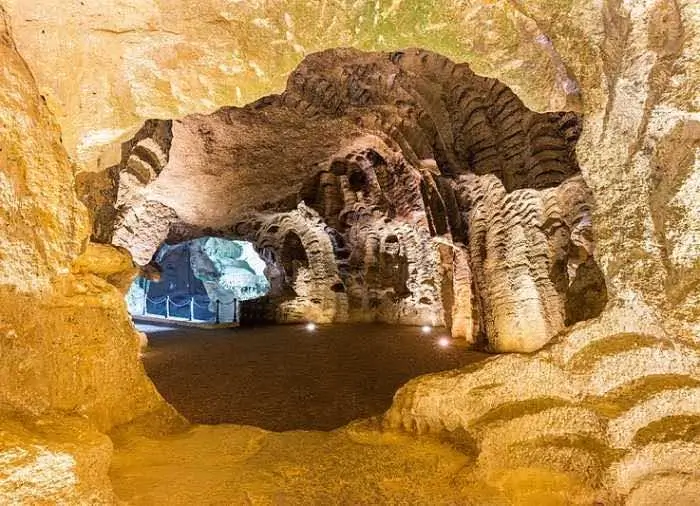
The iconic sea opening of the Caves of Hercules near Tangier, Morocco.
The mythical Caves of Hercules, where the Atlantic waves crash into ancient legend.

Chefchaouen: The Blue Pearl of Morocco

Nestled in the dramatic Rif Mountains, Chefchaouen (or simply Chaouen) is arguably the most picturesque town in all of Morocco. Famous for its buildings and alleyways painted in every shade of blue, it's a photographer's and traveler's dream. A day trip from Tangier to Chefchaouen is a popular option, but staying overnight allows you to experience the town's tranquil magic after the day-trippers have left.

Why is Chefchaouen, the Blue City of Morocco, Blue?

There are several theories as to why Chefchaouen is blue. Some say Jewish refugees who settled there in the 1930s painted the buildings blue to symbolize the sky and heaven. Others believe the blue helps keep mosquitos away or keeps the houses cooler in the summer. Whatever the reason, the result is an enchanting and peaceful atmosphere that makes wandering its streets a pure delight.

Best Things to Do in Chefchaouen

The main activity is simply exploring the medina, getting lost in its blue lanes, and photographing every charming corner. Plaza Uta el-Hammam is the main square, dominated by the red-walled Kasbah. For a fantastic panoramic view of the blue city nestled in the mountains, take the short hike up to the Spanish Mosque on the hill opposite the medina, especially for sunset.

Tetouan: The Andalusian Jewel

Often overlooked by tourists rushing between Tangier and Chefchaouen, Tetouan is a hidden gem with a UNESCO World Heritage medina. Known as "The White Dove," the city has a distinctly Spanish and Andalusian feel, a result of its history as the capital of the Spanish protectorate. Its medina is one of the most authentic and untouched in Morocco, offering a glimpse into traditional urban life away from the main tourist crowds.

"Our tour of Northern Morocco was incredible. We started in Tangier, which had such a cool, international vibe, and then spent two days in Chefchaouen. The blue city is even more beautiful in person! It was the most relaxing and beautiful part of our entire Morocco trip."

Plan your Morocco trip with us

Send us your dates, group size and the places you would like to see. A local travel planner replies with a tailored itinerary and a free quote.

No payment required — free, no-obligation quote.

- Emily and Mark, on their 7-Day Northern Morocco Tour

FAQ: Planning Your Northern Morocco Adventure

How do I get from Spain to Tangier?

It's very easy. Fast ferries run regularly from Tarifa, Spain, to Tangier Ville port (right in the city center) in about one hour. There are also ferries from Algeciras to the Tanger Med port, which is about an hour's drive from the city.

Is one day enough for a day trip to Chefchaouen from Tangier?

A day trip is possible, as the drive is about 2.5 hours each way. You'll have several hours to explore the main parts of the medina. However, to truly experience its peaceful evening and morning atmosphere, an overnight stay is highly recommended.

What are the best things to do in Tangier Morocco?

The top attractions in Tangier include exploring the Kasbah Museum and its surrounding alleys, wandering through the medina, visiting the Caves of Hercules and Cap Spartel, and enjoying the atmosphere in the Grand Socco and Petit Socco squares.

Why visit Tangier, the city where North Africa meets Europe

For centuries Tangier has been the meeting point of Africa and Europe, the Atlantic and the Mediterranean. Between 1923 and 1956 it was an International Zone run by several foreign powers, which drew diplomats, writers, artists and smugglers and gave the city its cosmopolitan reputation. Today it is a modern port city with a renovated waterfront and marina, yet the old medina and Kasbah keep their character.

Top things to do in Tangier

  • The Kasbah: wander the walled quarter at the top of the medina and visit the Kasbah Museum in the former sultan's palace, with views across the Strait to Spain on clear days.
  • Grand Socco and Petit Socco: the two squares that connect the new town and the medina, ideal for people-watching over mint tea.
  • Cap Spartel and the Caves of Hercules: the headland where the Atlantic meets the Mediterranean, and a sea cave whose opening resembles the outline of Africa.
  • Historic cafés: sip tea at clifftop terraces once frequented by writers of the Beat Generation.
  • The corniche: an evening walk along the bay with local families.

Northern Morocco travel: Chefchaouen, Tetouan and Asilah

PlaceFrom TangierWhy goTime needed
Chefchaouenabout 2.5 hoursBlue-painted medina in the Rif Mountains, the Spanish Mosque viewpoint, hiking nearbyDay trip, or better one night
Tetouanabout 1 hourUNESCO-listed medina with a strong Andalusian character, crafts school, few crowdsHalf day, often combined with Chefchaouen
Asilahabout 45 minutesWhitewashed Atlantic town, ramparts, murals and seafoodHalf day
Akchourabout 45 minutes beyond ChefchaouenRiver walks and waterfalls in the Talassemtane National ParkFull day from Chefchaouen

Chefchaouen is the highlight for most visitors and is quieter and more relaxed than the big imperial cities. It can be seen on a Tangier to Chefchaouen day trip, but staying overnight lets you enjoy the blue lanes in the soft evening and early morning light. Our Chefchaouen travel guide has more detail on what to see.

How to get to Tangier and travel around the north

  • By ferry from Spain: fast ferries from Tarifa arrive at Tangier Ville port in the city centre in about an hour. Ferries from Algeciras usually use Tanger Med, a large port roughly an hour's drive east of the city.
  • By air: Tangier Ibn Battouta airport has direct flights from several European cities.
  • By train: the Al Boraq high-speed line links Tangier with Rabat and Casablanca in a little over two hours, with onward trains to Fes and Marrakech.
  • By road: a private vehicle with a driver-guide is the easiest way to combine Chefchaouen, Tetouan and Asilah, and to continue south to Fes and the desert.

Bring your passport for the ferry and allow time for border formalities at the port. Visa requirements depend on your nationality, so check with your embassy or official government sources before travel; our guide to Morocco visa requirements gives an overview.

Best time to visit Tangier and northern Morocco

The north has a Mediterranean climate, greener and milder than the south. Spring (April–June) brings wild flowers in the Rif and pleasant temperatures for walking. Summer is warm rather than scorching on the coast, but it is the busiest season, especially in August when many Moroccans living abroad return home and ferries are full. Autumn (September–October) is calm and sunny. Winter is mild but the wettest season, and Chefchaouen can be cold and rainy in the mountains.

During Ramadan, sightseeing continues as normal, though some cafés open later and the medinas come alive after sunset. For a month-by-month view of the whole country, see the best time to visit Morocco.

How many days for Tangier and the north, and where to go next

  • 2 days: Tangier and Cap Spartel, plus a day trip to Chefchaouen.
  • 3–4 days: Tangier, a night in Chefchaouen and a stop in Tetouan or Asilah.
  • One week or more: the north followed by Fes, the Middle Atlas, the Sahara dunes of Merzouga and Marrakech.

Tangier is a natural starting point if you arrive by ferry or fly in from Europe. Our private tours from Tangier range from a Chefchaouen day trip to multi-day routes through the imperial cities and the desert, all with your own vehicle and driver-guide.

Frequently asked questions

Is Tangier worth visiting?

Yes. Tangier has a distinctive history as a former International Zone, an atmospheric Kasbah and medina, sea views across the Strait of Gibraltar and easy access to Chefchaouen, Tetouan and Asilah. It also makes a convenient start or end point for a longer Morocco trip if you travel via Spain.

Can I visit Tangier as a day trip from Spain?

It is possible, as fast ferries from Tarifa take about an hour, so you can see the Kasbah, medina and Grand Socco in a long day. Staying at least one night is more rewarding and lets you add Cap Spartel or continue to Chefchaouen. Remember to bring your passport.

Is Tangier safe for tourists?

Tangier is generally safe for visitors who take normal city precautions: watch your belongings in crowded areas, use official taxis and politely decline unofficial guides at the port and in the medina. Travelling with a driver-guide removes most of the hassle. See our guide on whether Morocco is safe for more advice.

What language is spoken in Tangier?

Moroccan Arabic (Darija) is the everyday language, and Amazigh is spoken in parts of the Rif. Because of the city's history and proximity to Spain, Spanish and French are widely understood, and English is common in hotels, restaurants and shops used by visitors.

How do I get from Tangier to Fes or Marrakech?

Trains run from Tangier to Fes and, via the high-speed line to Casablanca, on to Marrakech. If you want to see Chefchaouen, the Middle Atlas or the Sahara on the way, a private tour with a driver-guide is the better option, as it lets you stop and stay overnight along the route.

What is the difference between Tangier Ville and Tanger Med?

Tangier Ville is the city-centre port, mainly served by fast ferries from Tarifa, so you can walk into the medina on arrival. Tanger Med is a large commercial and passenger port about an hour east of the city, used by most ferries from Algeciras and by ferries carrying cars.