Is Morocco Safe to Visit? An Honest Local Guide

A Practical Guide to Safety, Scams, and Travel Advisories for 2025

Quick answer

Morocco is generally a safe country to visit, and millions of tourists travel there every year without problems. Violent crime against visitors is rare; the issues you are most likely to meet are pickpocketing in crowded medinas, persistent touts, overcharging and unofficial guides. With modest dress, a firm but friendly 'la, shukran' (no, thank you), licensed guides and the usual city precautions, most travellers find Morocco welcoming and relaxed. Always check your government's latest travel advice before you go.

Key facts

  • OverallGenerally safe; petty crime and scams are the main risks
  • Main hotspotsCrowded medinas, Jemaa el-Fna, tannery viewpoints, transport hubs
  • Women travellersSafe with modest dress and confidence; unwanted attention can occur
  • Emergency numbersPolice 19, Gendarmerie 177, ambulance and fire 15
  • Drinking waterBottled water recommended for visitors
  • Biggest practical riskRoad travel; long drives are best done in daylight
  • Before you goCheck your government's official travel advice and get travel insurance

"Is Morocco safe?" It's one of the first and most important questions travelers ask when planning a trip to this enchanting North African kingdom. With its vibrant culture, diverse landscapes, and warm hospitality, Morocco is a dream destination for many. This guide provides an honest, up-to-date look at Morocco travel safety for 2025, addressing common concerns and offering practical tips to ensure your visit is as safe as it is unforgettable.

The Big Picture: How Safe is Morocco for Tourists?

Let's start with the bottom line: yes, Morocco is generally a safe country for tourists. The government places a high value on tourism and invests heavily in security, particularly in major cities and tourist areas. Violent crime against tourists is rare. The most common issues are petty crimes like pickpocketing and scams, which can be largely avoided with awareness and common sense. The latest Morocco travel advisory from most Western governments advises exercising normal safety precautions, similar to what you would do in many European capitals.

Navigating the Medinas: Tips for Avoiding Scams and Hassles

The bustling medinas of Marrakech and Fes are a highlight, but they can also be where tourists feel most vulnerable. Here’s how to navigate them confidently:

  • The "Friendly" Guide: Be wary of overly friendly locals who offer to show you the way or take you to a "special Berber market." This often leads to a high-pressure sales situation at a relative's shop. A polite but firm "No, thank you" (La, shukran) is your best tool. If you want a guide, hire a licensed professional through your riad or a reputable tour company.
  • Tannery Scams: Someone might tell you the main entrance to a landmark is closed but that they can show you a "special view" from a rooftop—usually a leather shop. While the views can be good, be prepared for a hard sell.
  • Bargaining & Shopping: Bargaining is part of the culture, not a scam. However, always have a price in mind, be prepared to walk away, and keep the interaction light and friendly.
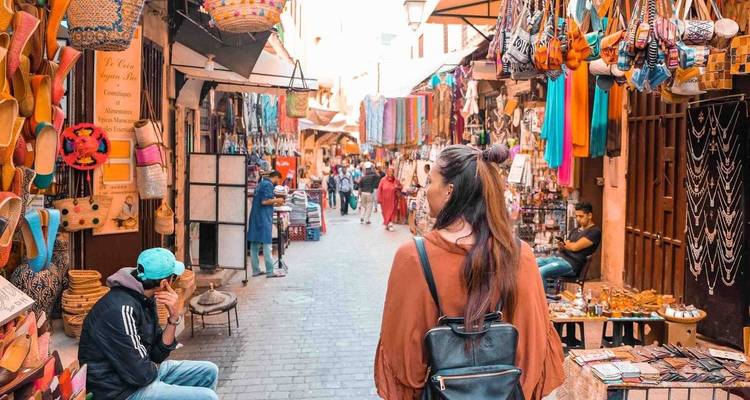
A bustling alleyway in the Fes medina, filled with shops and people.
Navigating the vibrant but chaotic medinas requires awareness and a smile.

Is Morocco Safe for Women Travelers?

This is a major concern for many, and the answer requires some nuance. Yes, Morocco is safe for women, and thousands of women travel here solo or in groups every year without incident. However, as a more conservative Islamic country, it presents different cultural norms. Unwanted attention, such as catcalling, can occur. The key is confidence and cultural respect.

Safety Tips for Women:

  • Dress Modestly: While you don't need to cover your head, dressing conservatively (covering shoulders, cleavage, and knees) will attract less unwanted attention and show respect for the local culture.
  • Be Confident: Walk with purpose and confidence. Wearing sunglasses can help avoid making unintentional eye contact.
  • Avoid Walking Alone at Night: Stick to well-lit main streets or take a registered taxi for evening travel.
  • The "Fake Wedding Ring" Trick: Some solo female travelers find wearing a simple ring can deter unwanted advances.

Is Morocco Safe for Americans and Other Nationalities?

Generally, Morocco is safe for Americans and tourists of all nationalities. Moroccans are famously hospitable and often make a distinction between a country's government and its people. You are far more likely to be met with curiosity and warmth than any hostility. Standard travel precautions apply to everyone, regardless of nationality.

City-Specific Safety: Marrakech vs. Casablanca

  • Is Marrakech Safe? Marrakech is very accustomed to tourists and has a heavy police presence in areas like Jemaa el-Fnaa. The main risks are scams and pickpocketing in crowded areas. Be mindful of your belongings and politely decline unsolicited offers.
  • Is Casablanca Safe? As Morocco's largest city and economic hub, Casablanca feels more like a major European city. It has areas that are perfectly safe and others where you should be more cautious, especially at night. Stick to the main boulevards and use reputable taxis.
"As a solo female traveler, I was a bit nervous, but I found Morocco to be incredibly welcoming. I dressed modestly, was polite but firm when I needed to be, and had an amazing time. The people were so kind. I felt safer walking in Marrakech at night than in some cities back home."

Plan your Morocco trip with us

Send us your dates, group size and the places you would like to see. A local travel planner replies with a tailored itinerary and a free quote.

No payment required — free, no-obligation quote.

- Chloe, USA

FAQ: Morocco Safety Concerns

Can you drink the tap water in Morocco?

It's generally recommended that tourists stick to bottled water to avoid any potential stomach issues, although the water in major cities is treated. Use bottled water for drinking and brushing your teeth.

What is the emergency number in Morocco?

For the police, dial 19 in cities or 177 for the Royal Gendarmerie in rural areas. For an ambulance or fire department, dial 15.

Are taxis safe in Morocco?

Yes, registered taxis (Petits Taxis for inner-city, Grands Taxis for longer routes) are safe. Always insist the driver uses the meter in a Petit Taxi, or agree on the fare for a Grand Taxi before you get in to avoid being overcharged.

Is Morocco safe to travel right now?

Morocco is one of the most visited countries in Africa and has long depended on tourism, so security in cities and tourist areas is taken seriously and police presence is visible around major sights. Most Western governments' advice for Morocco focuses on normal or increased vigilance, the kind you would apply in any large city, rather than on avoiding the country.

Situations change, though, and advice differs by nationality. Before you travel, read the current guidance from your own government, for example the UK Foreign Office or the US State Department, and sign up for their alerts if they offer them. Take out travel insurance that covers medical care and the activities you plan, such as camel rides or quad biking.

Morocco also has a reputation among visitors for hospitality. Most interactions you have, from riad staff to shopkeepers who invite you for mint tea, will be friendly and genuine.

Common scams and how to travel in Morocco safely

The medinas of Marrakech and Fes are where first-time visitors feel most unsure. Knowing the usual tricks takes away most of the stress:

SituationWhat happensWhat to do
'The road is closed'Someone says a street or sight is closed and offers to guide you elsewhereSmile, say no thank you and keep walking or check a map
Unofficial guidesA helper leads you through the souk, then asks for money or takes you to a shopBook a licensed guide through your riad or tour operator
Henna and photosHenna is applied or a monkey or snake is placed on you, followed by a demand for paymentKeep your hands to yourself and agree a price first, or simply walk on
Taxi faresNo meter, or an inflated priceAsk for the meter in petit taxis, agree grand taxi fares in advance
ShoppingHigh starting pricesBargaining is normal, not a scam; decide your price and walk away if needed

Carry a cross-body bag, keep your phone out of back pockets in crowds, and only take out the cash you need for the day. Our guide to shopping in Morocco explains fair prices and polite haggling.

Is Morocco safe for women and solo travellers?

Yes, many women travel in Morocco alone or with friends and have a great time. It is a conservative, largely Muslim society, and unwanted comments or attention can happen, especially in busy medinas. A few habits make a real difference:

  • Wear loose clothing that covers shoulders and knees; a light scarf is useful for mosques and sun alike.
  • Walk with purpose, ignore comments rather than engaging, and step into a shop or café if you want a break.
  • Use registered taxis or arrange transfers after dark, and choose a riad in a well-lit lane close to a main gate.
  • Consider a private tour with a driver-guide for the long stretches between cities; it removes most of the hassle of bus stations and touts.

Solo travellers of any gender can also join a shared desert tour to meet other travellers. Understanding local customs helps too; see our guide to Moroccan culture and etiquette.

Road, desert and health safety in Morocco

On the road

For most visitors, road travel is the biggest practical risk. Mountain roads such as the Tizi n'Tichka pass are winding, and rural roads can have livestock, cyclists and unlit vehicles at night. Long journeys are safest in daylight with an experienced local driver. Snow can briefly close high passes in winter.

In the Sahara

The desert is safe when visited with a reputable operator. The real dangers are heat and sun: in summer temperatures pass 40 °C, so drink plenty of water, cover your head and plan activities for early morning and sunset. Nights can be cold from November to March. Read more about the dunes in our Merzouga and Sahara travel guide.

Health

Stomach upsets are the most common complaint. Drink bottled water, eat busy, freshly cooked food, and wash or sanitise your hands often. Pharmacies are widespread in towns. Ask your doctor or a travel clinic about vaccinations and any personal health needs before travelling; we cannot give medical advice.

Is Marrakech safe? City-by-city tips

  • Marrakech: very used to tourists, with police around Jemaa el-Fna. Watch for pickpockets in the evening crowds and decline unsolicited guides in the souks. See our Marrakech travel guide for the medina layout.
  • Fes: the medina is a maze, so a licensed guide for your first morning saves time and hassle.
  • Casablanca: a big modern city; stick to the main boulevards at night and use reputable taxis.
  • Chefchaouen and Essaouira: among the most relaxed towns in the country.
  • Tangier: busier around the port; book your onward transport in advance.

Entry rules are part of planning too, so check our page on Morocco visa requirements and confirm them with official sources before you travel.

Frequently asked questions

Is Morocco dangerous for tourists?

No, Morocco is not generally considered dangerous for tourists. Serious crime against visitors is rare, and most problems are petty theft, scams and persistent selling in the medinas. Staying aware of your belongings, using licensed guides and registered taxis, and following official travel advice covers most risks.

Is Morocco safe for Americans?

Generally yes. American travellers visit Morocco in large numbers and are usually met with curiosity and warmth. Standard precautions apply to everyone. Before travelling, read the US State Department's current advice for Morocco and enrol in its traveller alert programme if you wish.

Is it safe to travel to Morocco during Ramadan?

Yes. Daily life continues as normal and tours run as usual. Some cafés and restaurants close during the day, and people may be tired in the late afternoon. Be discreet about eating, drinking and smoking in public during daylight hours, and enjoy the lively atmosphere after sunset.

Is it safe to sleep in a desert camp in the Sahara?

Yes, when you book through an established operator. Camps in Erg Chebbi near Merzouga are staffed, and our comfort camp has private tents with their own bathroom and toilet. Bring a torch, keep an eye on children near the dunes at night and pack warm layers in winter.

Is Morocco safe for families with children?

Yes, Moroccans are generally very welcoming to children. The main things to manage are heat, sun, road travel and food hygiene. A private tour lets you set the pace, shorten driving days and choose family-friendly riads, which makes travelling with children much easier.

Do I need travel insurance for Morocco?

It is strongly recommended. Choose a policy that covers medical treatment, evacuation and the activities you plan, such as camel rides, quad biking or hot air ballooning. Check the policy wording carefully, as cover varies, and carry the emergency contact details with you.