Trekking in the Atlas Mountains: Toubkal, Imlil and Day Trips

The Ultimate Guide to Hiking, Trekking, and Exploring Morocco's Majestic Peaks

Quick answer

Trekking in the Atlas Mountains usually starts from Marrakech, about an hour or two from the High Atlas valleys. Options range from easy day hikes in the Ourika Valley and around Imlil to the two-day ascent of Jebel Toubkal (4,167 m), North Africa's highest peak. Spring and autumn are the best seasons. The Atlas can also be crossed on a desert tour, via the Tizi n'Tichka pass to Aït Benhaddou and the Dadès Valley.

Key facts

  • Highest peakJebel Toubkal, 4,167 m
  • Main trailheadsImlil (Toubkal and Imlil valley walks), Ourika Valley
  • From MarrakechOurika just over an hour; Imlil about 1.5 hours
  • Toubkal ascentUsually 2 days from Imlil with a night at a mountain refuge
  • Best seasonsSpring (April–May) and autumn (September–October)
  • RangesHigh Atlas, Middle Atlas, Anti-Atlas

Beyond the vibrant chaos of the medinas and the serene expanse of the Sahara lies a different Morocco—a land of rugged peaks, verdant valleys, and ancient Berber villages. This is the domain of the Atlas Mountains, a majestic range that forms the backbone of the country and offers some of the most spectacular outdoor adventures in Morocco. Whether you're an experienced mountaineer or a casual walker, the opportunities for hiking in the Atlas Mountains are boundless and unforgettable.

Understanding the Atlas Mountains: A Trio of Ranges

The Atlas Mountains are not a single entity but a series of ranges, each with its own unique character. The High Atlas is the most dramatic, home to North Africa's highest peak, Jebel Toubkal. The Middle Atlas, to the north, is characterized by cedar forests and gentler slopes, while the Anti-Atlas to the south features arid, lunar-like landscapes. Most trekking and outdoor adventures are focused in the accessible and stunning High Atlas region, which is just a short drive from Marrakech.

The Ultimate Challenge: Trekking Mount Toubkal

For serious hikers, the Mount Toubkal trek is the crown jewel of trekking in Morocco. At 4,167 meters (13,671 feet), Jebel Toubkal is a challenging but non-technical climb that rewards summiteers with panoramic views across the entire Atlas range and out towards the Sahara. The standard trek is a two-day journey starting from the village of Imlil. The first day is a steady climb to one of the mountain refuges, where you'll spend the night. The second day involves an early pre-dawn start to reach the summit for a spectacular sunrise before descending back to Imlil. This is a bucket-list experience for any adventure enthusiast visiting Morocco.
Hikers trekking on a trail in the High Atlas Mountains with snow-capped peaks in the background.
Trekking in the High Atlas Mountains offers breathtaking views and a glimpse into Berber culture.

Popular Day Trips and Shorter Hikes from Marrakech

You don't need to conquer Toubkal to experience the magic of the Atlas Mountains in Morocco. Numerous day trips from Marrakech offer a perfect introduction to the region's beauty and culture.

A Refreshing Escape to the Ourika Valley

The Ourika Valley day trip is one of the most popular excursions. Just over an hour from Marrakech, this lush valley offers a complete contrast to the city's heat. You can hike to a series of seven beautiful waterfalls (be sure to wear sturdy shoes!), enjoy a traditional tagine lunch at a riverside restaurant, and visit a traditional Berber house to learn about local life and the process of making argan oil.

Imlil and the Three Valleys: A Glimpse into Berber Life

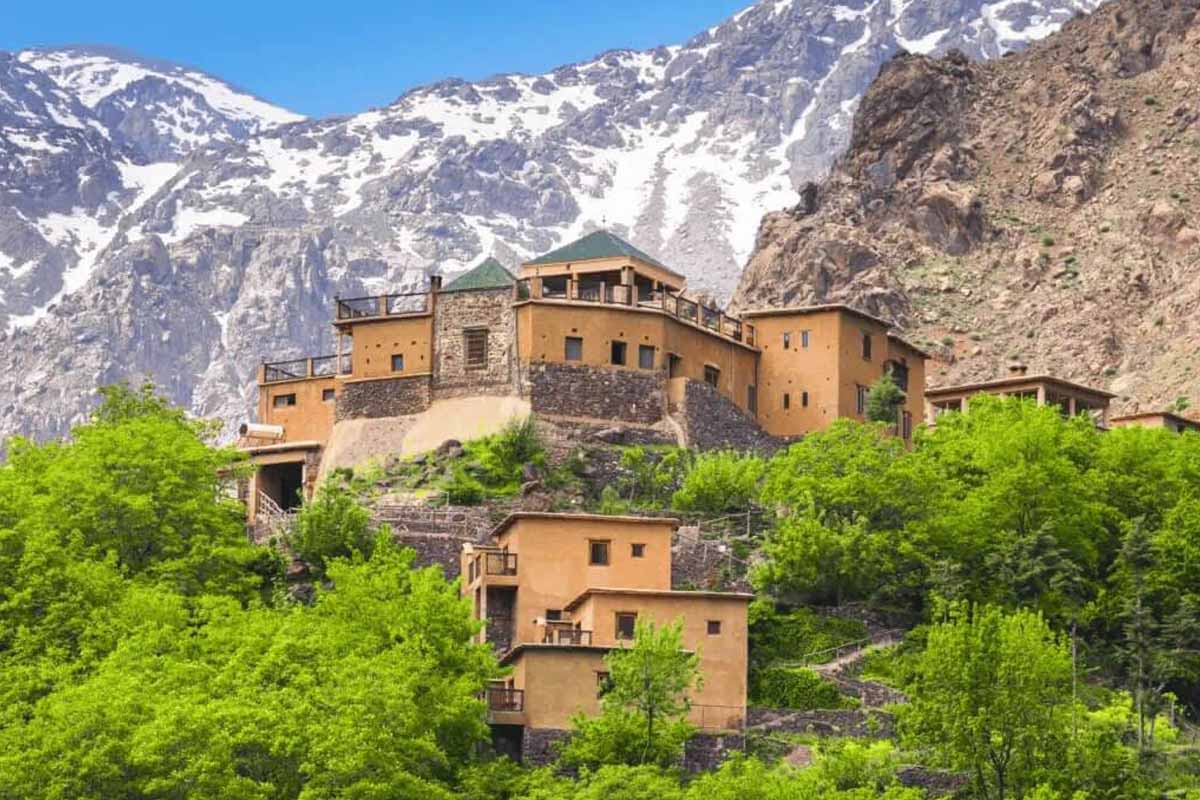
An Atlas Mountains day trip often includes a visit to several valleys, such as the Ourika, Asni, and Oukaimeden valleys, collectively known as the "Three Valleys." This journey takes you through apple orchards, walnut groves, and picturesque Berber villages clinging to the mountainsides. The village of Imlil, the starting point for Toubkal treks, is a destination in itself, offering incredible views and shorter walking trails for all fitness levels.

Beyond Hiking: More Outdoor Adventures in Morocco

The adventures don't stop with trekking. The diverse terrain of the Atlas Mountains range is a playground for various activities.

  • Dades and Todra Gorges: Carved by ancient rivers, these magnificent canyons in the eastern part of the High Atlas offer spectacular scenery, rock climbing opportunities, and beautiful drives.
  • Discovering Ait Ben Haddou: No atlas mountains tour is complete without visiting the Ksar of Ait Ben Haddou. This UNESCO World Heritage site is a stunning example of a fortified earthen village, famously featured in films and TV shows like Gladiator and Game of Thrones.
  • Mountain Biking: The rugged mule tracks and dirt roads that crisscross the mountains are perfect for adventurous mountain bikers seeking a challenge and incredible views.
"The day trip to the Ourika Valley was fantastic. Our guide, Hassan, was from a local Berber family and gave us such incredible insight into their culture. The hike to the waterfalls was beautiful, and lunch by the river was so peaceful. A must-do to escape the Marrakech heat!"

Plan your Morocco trip with us

Send us your dates, group size and the places you would like to see. A local travel planner replies with a tailored itinerary and a free quote.

No payment required — free, no-obligation quote.

- David Lee, on his Atlas Mountains Day Trip

FAQ: Your Atlas Mountains Adventure

What is the best time of year for hiking in the Atlas Mountains?

The best seasons for hiking and trekking are spring (April-May) and autumn (September-October), when the weather is mild and clear. Summer can be very hot at lower altitudes, while winter brings snow and ice to the higher peaks, making a Toubkal ascent a more serious mountaineering challenge.

How fit do I need to be for a Toubkal trek?

You need a good level of cardiovascular fitness. While it's not a technical climb, you will be hiking for 5-7 hours a day at high altitude. It's achievable for most fit and determined hikers, but it's not a casual walk.

What should I wear for a day trip to the mountains?

Wear comfortable, sturdy walking shoes or trainers. Dress in layers, as the temperature can change quickly with altitude. Bring a light jacket, sunglasses, a hat, and sunscreen, even on a cloudy day.

Hiking the Atlas Mountains: which trek is right for you?

OptionTimeDifficultySuits
Ourika Valley and waterfallsDay tripEasy to moderate, some rocky scramblingFamilies, first-time visitors, a break from city heat
Imlil village walksDay tripEasy to moderateWalkers who want mountain views and Berber villages
Three Valleys circuitDay tripMostly driving with short walksTravellers who prefer scenery over long hikes
Jebel Toubkal ascent2 days or moreStrenuous, non-technical in summerFit hikers comfortable with long days at altitude

The High Atlas is the range most visitors mean when they talk about the Atlas: steep valleys, terraced fields, walnut groves and earth-built villages. The Middle Atlas further north is greener and gentler, with cedar forests around Azrou and Ifrane that you cross on the road between Fes and the Sahara. The Anti-Atlas to the south is dry and rocky. If you would like help arranging a walk, ask us about a guided day in the mountains when you plan your trip.

The Toubkal trek: route, altitude and preparation

The classic route starts in Imlil, at around 1,700 m. Day one is a steady climb of roughly 5 to 6 hours through the shrine village of Sidi Chamharouch to a refuge at about 3,200 m. Day two starts before dawn for the summit, then returns all the way to Imlil, which makes it a long day of descending.

  • Altitude: some people feel headaches or breathlessness above 3,000 m. Take it slowly, drink plenty of water and turn back if symptoms worsen. Consult your doctor before the trip if you have any health concerns.
  • Winter: from roughly December to March the upper mountain is covered in snow and ice, and crampons, an ice axe and mountain experience become necessary.
  • Guides: hiring a licensed mountain guide is strongly recommended and, for Toubkal, generally required by local rules; check the current situation before you go.
  • Kit: broken-in boots, warm layers, a hat and gloves even in summer, a headtorch and sun protection.

Atlas Mountains day trip from Marrakech: Ourika, Imlil and the valleys

If you only have a day, the mountains are easy to reach from Marrakech. In the Ourika Valley you can walk up to a series of waterfalls near Setti Fatma, eat a tagine by the river and visit a Berber house. Around Imlil, gentle trails lead through apple and walnut orchards to villages with views of Toubkal. A Three Valleys drive links Ourika, Asni and the ski area of Oukaïmeden for a broad overview with short stops.

Weekends and public holidays bring many visitors from Marrakech, especially in Ourika, so a weekday start is usually quieter. Bring cash in dirhams (MAD) for lunch, small entry fees and tips, as card payment is rare in the villages. If you are staying in the city, our Marrakech travel guide covers more day trips.

Crossing the High Atlas on a desert tour

Even without hiking, almost every trip from Marrakech to the Sahara crosses the High Atlas. The road climbs to the Tizi n'Tichka pass at 2,260 m, with viewpoints over terraced villages, then descends to Aït Benhaddou (UNESCO) and Ouarzazate before following the kasbah valleys to the Dadès and Todra gorges. These canyons at the eastern end of the range offer short walks and some of the most dramatic scenery in Morocco.

Season by season in the Atlas Mountains

  • Spring: snow on the summits, green terraces and blossom in the valleys. Ideal for day walks.
  • Summer: hot in the lower valleys but pleasant above 2,000 m; the main season for Toubkal without snow.
  • Autumn: clear skies, harvest time for walnuts and apples, stable weather.
  • Winter: snow can briefly close the Tizi n'Tichka; valley walks remain possible on sunny days, but nights are cold.

For a month-by-month picture of the whole country, see the best time to visit Morocco.

Frequently asked questions

Can you do an Atlas Mountains trek as a day trip from Marrakech?

Yes. The Ourika Valley and Imlil are both reachable in about one to one and a half hours from Marrakech, so a day of walking with lunch in a village is easy to fit in. A Toubkal summit is not a realistic day trip for most people; plan at least two days.

How high is Mount Toubkal?

Jebel Toubkal is 4,167 m high, the highest peak in North Africa. In summer it is a non-technical but strenuous climb, usually done in two days from Imlil with a night at a refuge at about 3,200 m. In winter it requires snow and ice equipment and mountain experience.

Do I need a guide to hike in the Atlas Mountains?

For Toubkal and high routes, hiring a licensed mountain guide is strongly recommended and generally required under local rules, which can change, so check before you go. For short valley walks around Imlil or Ourika, a local guide is not essential but helps with navigation and village visits.

Is there a Berber village stay in the Atlas Mountains?

Yes, many villages around Imlil and in the surrounding valleys have small guesthouses where you can stay with views of the peaks and simple home-cooked food. A night in the mountains can be added to a longer private itinerary from Marrakech on request.

Where are the Dadès and Todra gorges?

The Dadès and Todra gorges lie on the southern side of the High Atlas, between Ouarzazate and Merzouga. Most desert tours from Marrakech pass through both. The Todra Gorge has cliffs about 300 m high and an easy walk along its base.

Is the Atlas Mountains area safe for walkers?

The Atlas valleys are generally considered safe for visitors, and village communities are used to walkers. The main risks are natural: weather changes, altitude and steep terrain. Check the forecast, carry layers and water, and use a local guide for longer routes.